Touristic residential projects — developments that combine hotel-grade amenities with private residential ownership — are transforming the Red Sea coast. These hybrid communities offer residents access to swimming pools, spas, restaurants, and concierge services typically associated with five-star resorts, while providing the privacy and permanence of home ownership. They represent a fundamental shift in how coastal living is conceived and marketed in Egypt.
What Makes Them Different
Unlike traditional apartment buildings, touristic residential projects are designed from the ground up as integrated communities. Landscaped grounds, multiple recreational facilities, 24-hour security, and professional property management services are standard inclusions. For buyers, this means purchasing a lifestyle product, not just a dwelling. The difference is evident in every aspect of the development — from the quality of communal spaces to the standard of maintenance and the sense of community that develops among residents.
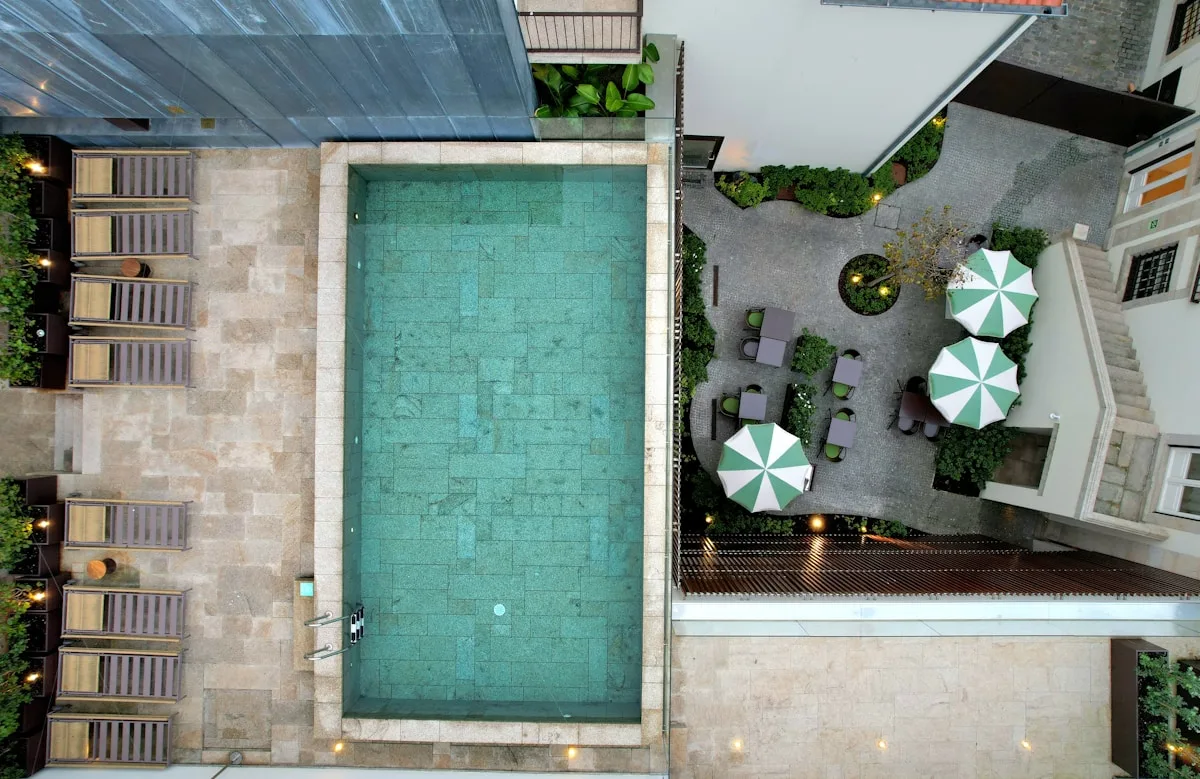
These projects typically occupy larger plots of land than conventional buildings, allowing for generous outdoor spaces, multiple pool areas, children's play areas, and sometimes retail components. The density is lower, the landscaping is more thoughtful, and the overall environment is designed to encourage residents to spend time outside their units — in the shared spaces that make resort living so appealing.
Investment Performance
Properties within touristic residential projects consistently command premium prices and rental rates compared to standalone buildings. The premium is driven by both the amenity offering and the professional management that keeps common areas and facilities in excellent condition. Rental yields in these developments typically run 1–2 percentage points higher than comparable standalone units, reflecting the premium that tenants place on access to resort-style amenities.
- 15–25% price premium over standalone equivalents in the same location
- Higher occupancy rates for short-term rentals driven by tourist demand for managed properties
- Professional management reduces owner hassle and maintains property standards
- Better capital appreciation over 5-year holding periods — typically 2–3% per year above market average
The Developer Perspective
For developers like The Home Development, touristic residential projects represent a deliberate strategy. By creating communities rather than just buildings, developers build long-term relationships with buyers, generate recurring revenue from management services, and create a brand that extends beyond individual projects. This approach also creates a virtuous cycle: satisfied residents become brand ambassadors, driving referral sales and reducing marketing costs for subsequent phases.
The model also aligns incentives. Because the developer remains involved in the community through the management company, there is a continuing commitment to quality, maintenance, and resident satisfaction that does not exist in a build-and-handover model. For buyers, this ongoing relationship provides reassurance that their investment will be protected over the long term.
“Buyers today are not just looking for a unit. They are looking for a lifestyle, a community, and an experience. Touristic residential projects deliver all three in a way that traditional apartment buildings simply cannot match.”
— Development Director, The Home Development